
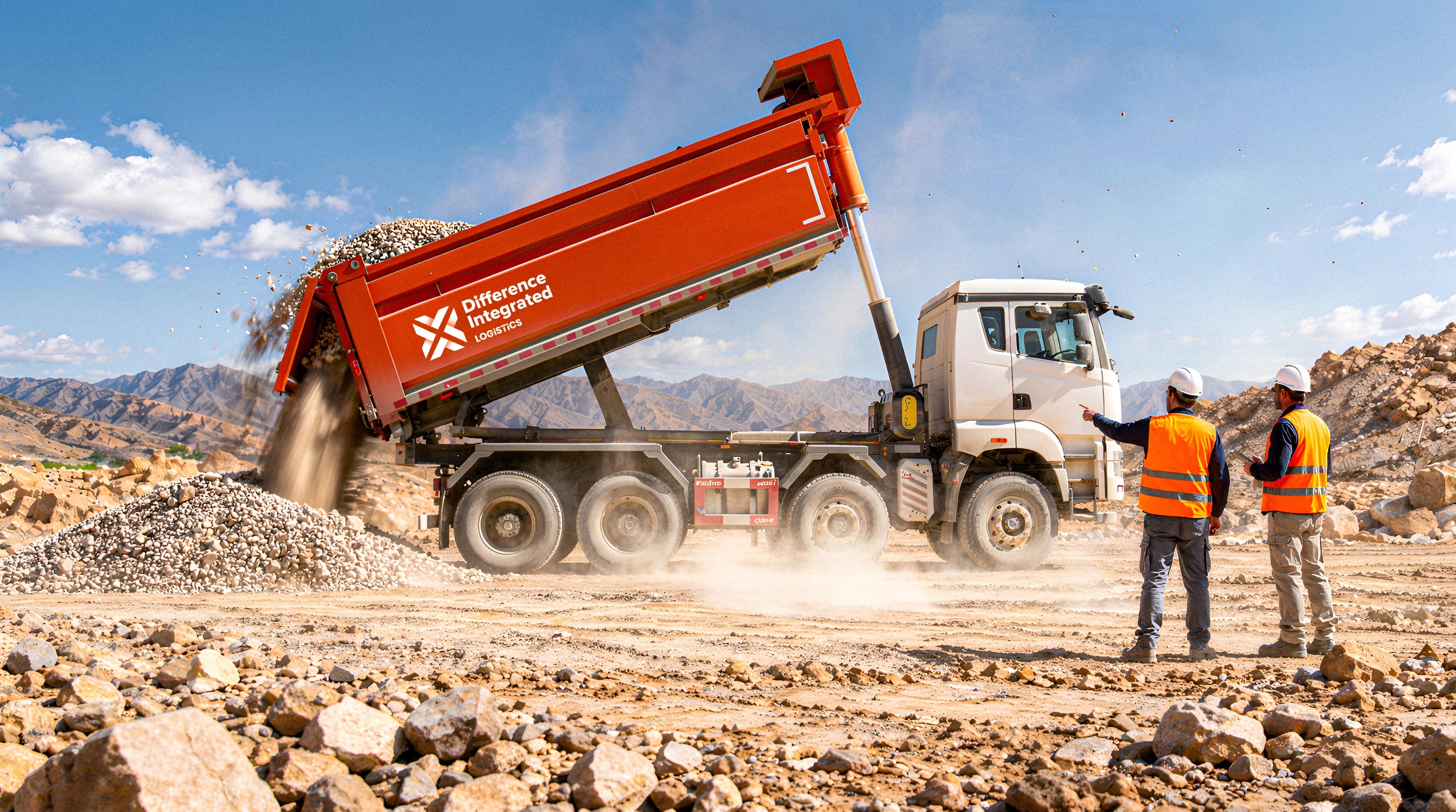
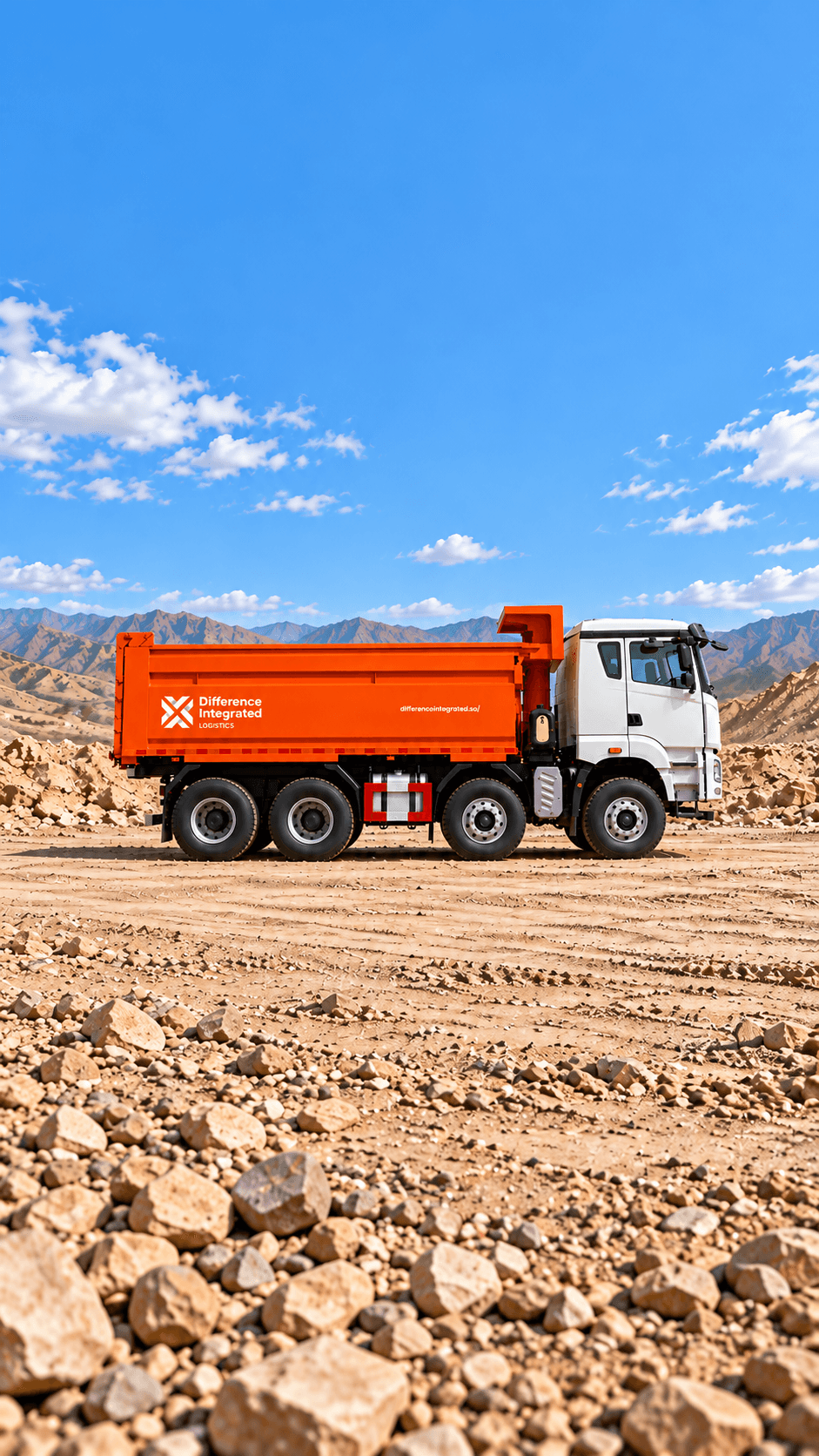
Our Services
Transportation solutions built around the realities of every operation.
From construction logistics and heavy transport to livestock, agriculture, vehicles, containers, and general freight.
Difference Integrated coordinates each movement according to the load, site, route, equipment, and timing required.
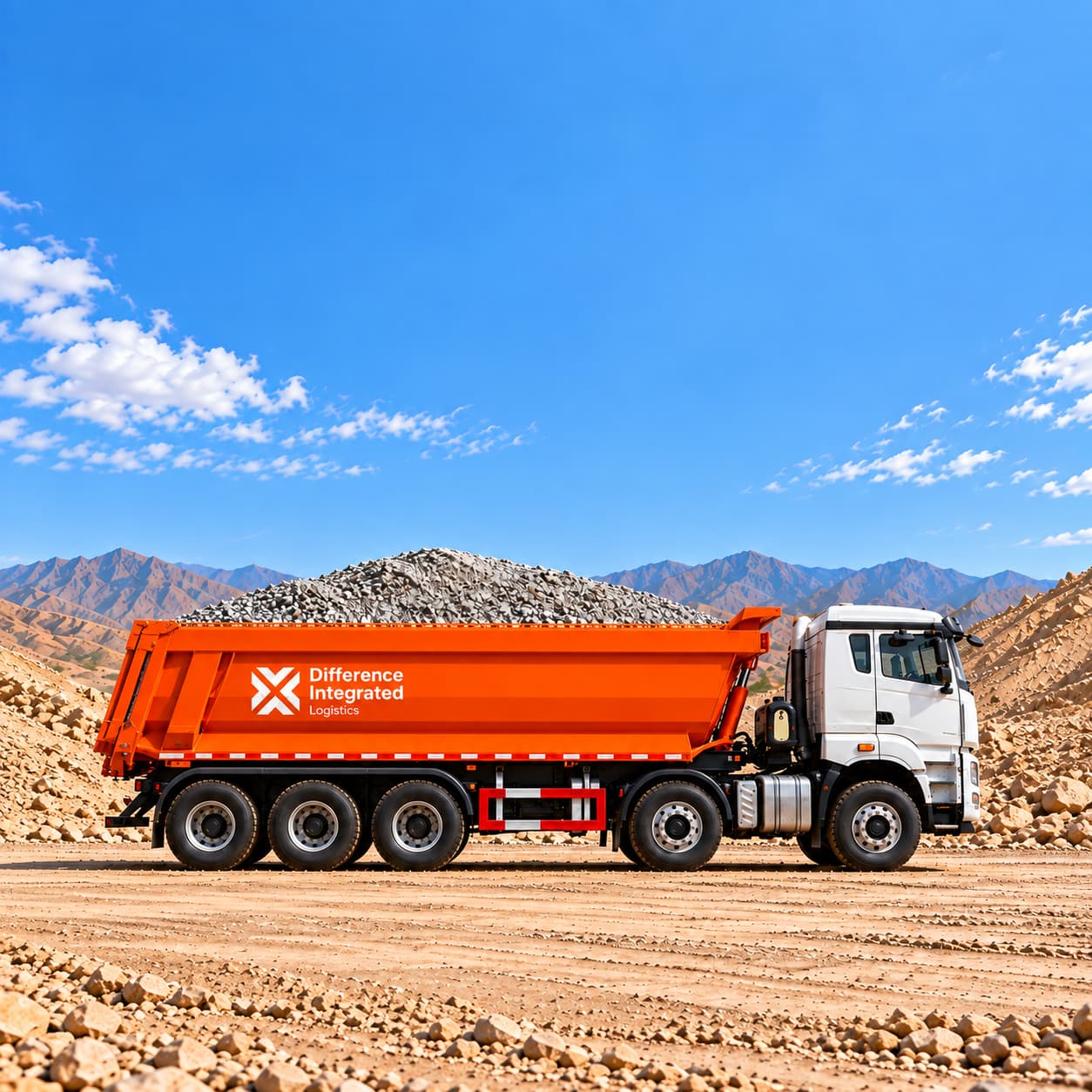
Construction Logistics
Transport that works with the project schedule.
Difference Integrated coordinates transport around construction schedules, site access, delivery sequences, and changing material requirements to keep incoming loads aligned with work on site.
Key Points
Transport activity aligned with construction schedules and delivery priorities.
Entry routes, unloading areas, and active working conditions considered before movement.
Loads organized according to where and when materials are required.
Transport activity kept connected with relevant projects and receiving teams.
The objective is not simply to reach the site. It is to make each delivery fit the way the site is actually operating.
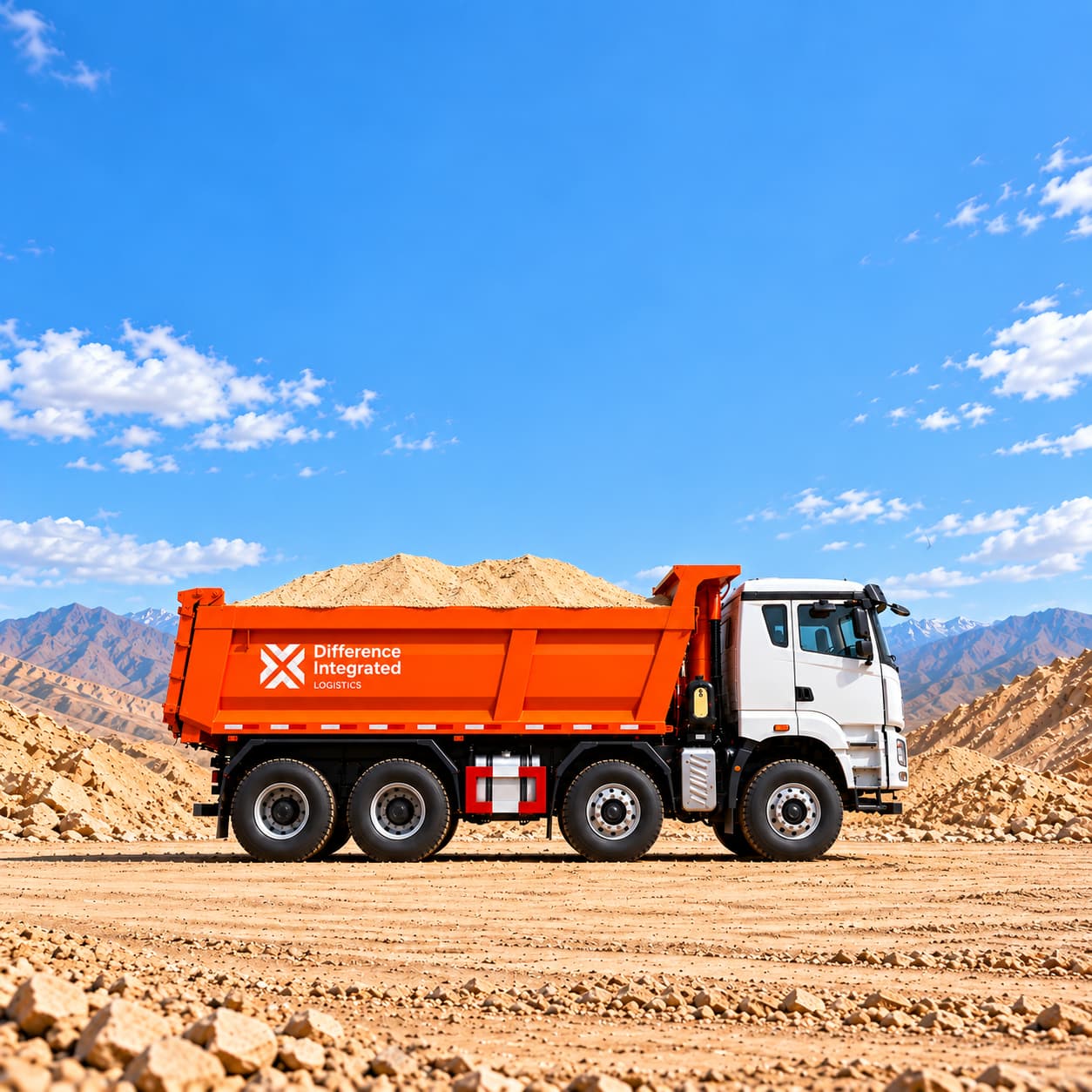
Sand Transportation
Consistency matters when the volume keeps moving.
DI coordinates repeated sand movements around source locations, loading cycles, turnaround times, site access, and project demand to maintain a consistent flow from source to site.
Key Points
Transport organized between approved supply points and project locations.
Loading, transit, unloading, and return activity considered as one continuous operation.
Delivery frequency adjusted around the volume required on site.
Vehicle movement planned around conditions at both loading and receiving points.
When multiple loads are moving through the same cycle, control over timing and turnaround becomes critical to the operation.
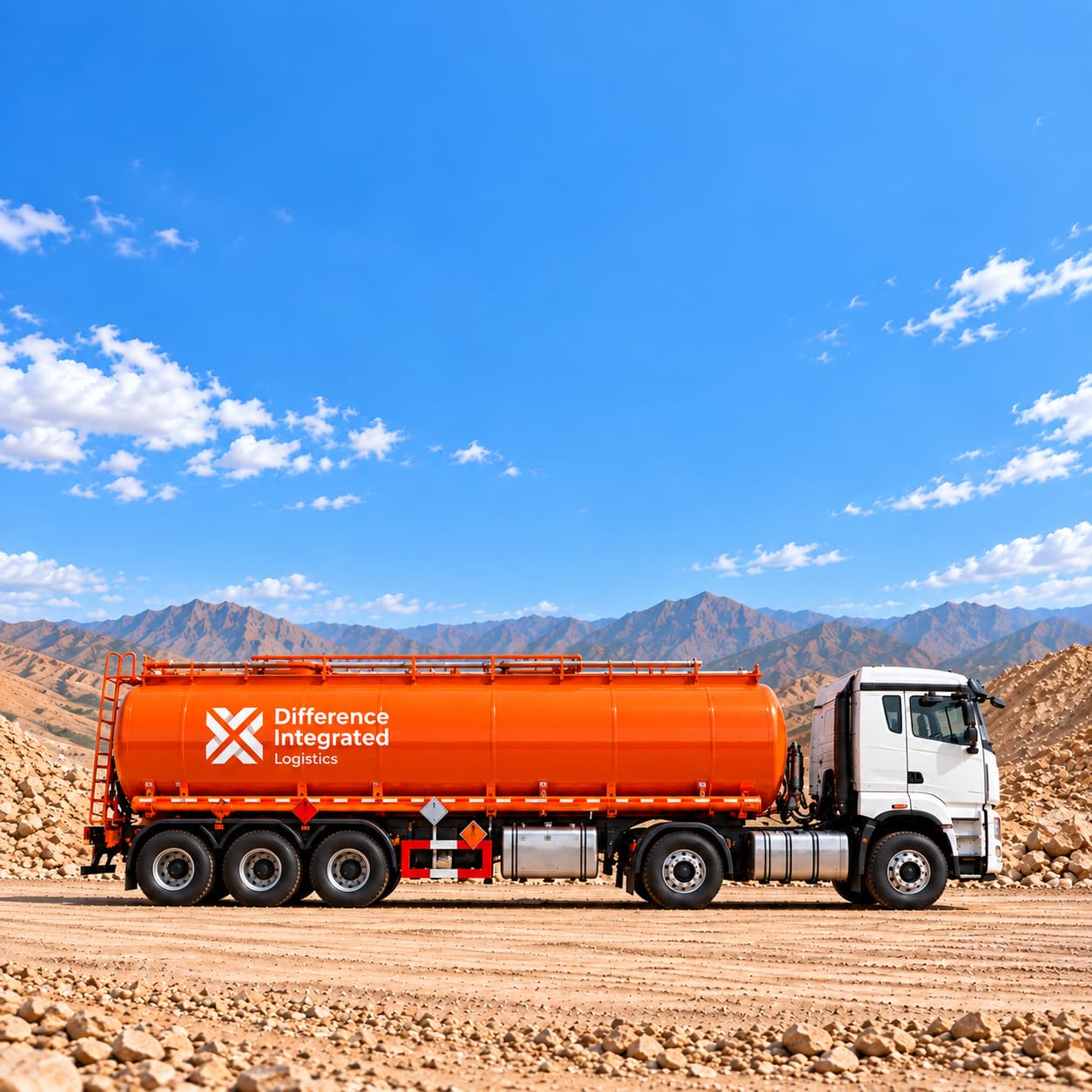
Fuel & Tanker Transportation
Controlled movement from dispatch to delivery.
DI coordinates tanker movements around scheduling, route conditions, receiving requirements, operating procedures, and applicable regulations to maintain control throughout the journey.
Key Points
Tanker activity organized around defined movement and delivery requirements.
Routes considered against the nature of the load and operating conditions.
Arrival aligned with the destination and agreed delivery process.
Movement handled with attention to applicable transport procedures and regulatory requirements.
For tanker transportation, how the movement is carried out is as important as where it is going.
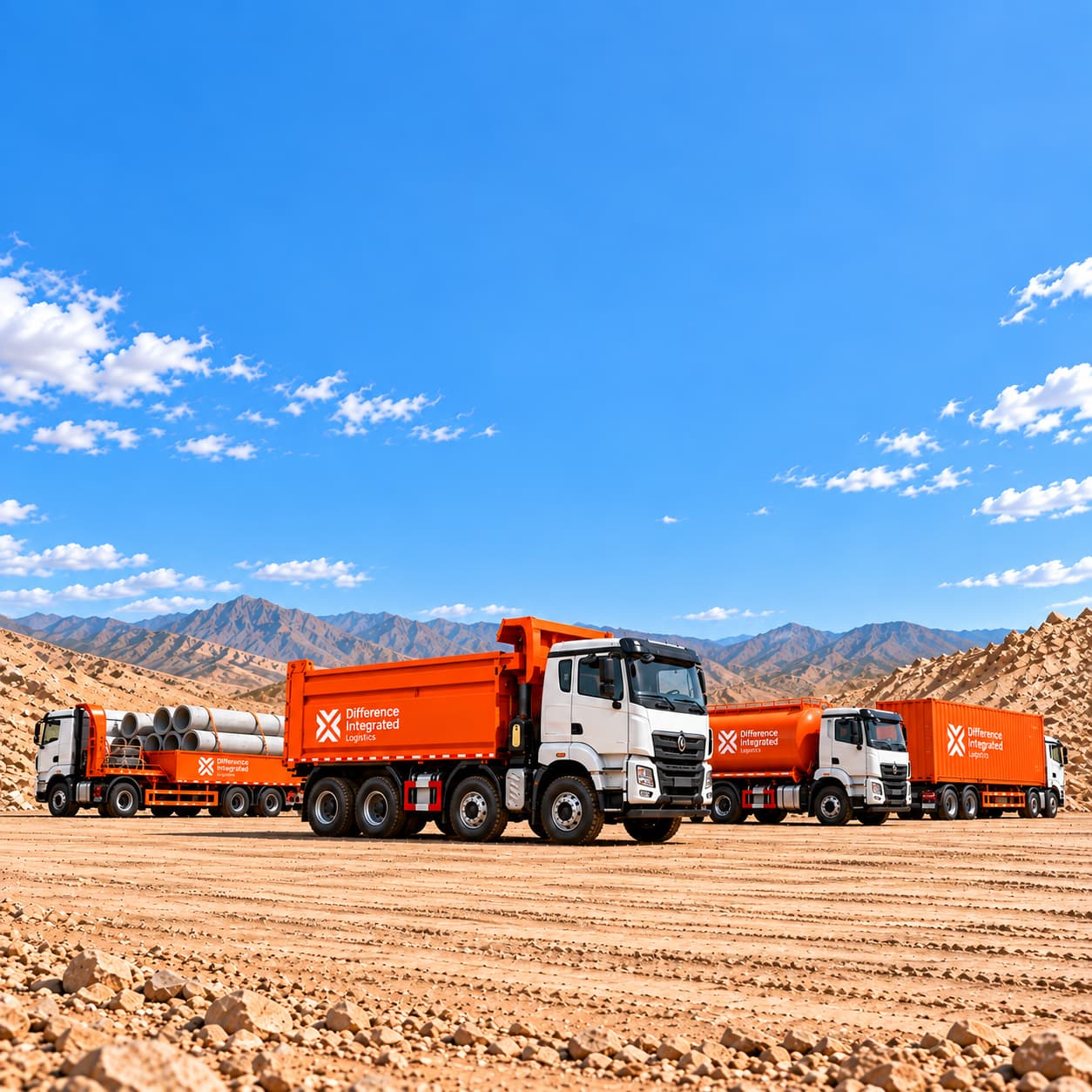
Fleet & Machinery
The job should determine the vehicle.
Difference Integrated assigns fleet resources according to cargo type, route conditions, loading requirements, site access, and the operating demands of each assignment.
Key Points
Fleet selection is considered against the characteristics of the load.
Vehicle suitability reviewed against the movement environment.
Access, loading, and unloading conditions considered before deployment.
Transport resources prepared around the sequence and demands of the assignment.
The right fleet decision starts with understanding the job, not simply identifying what is available.
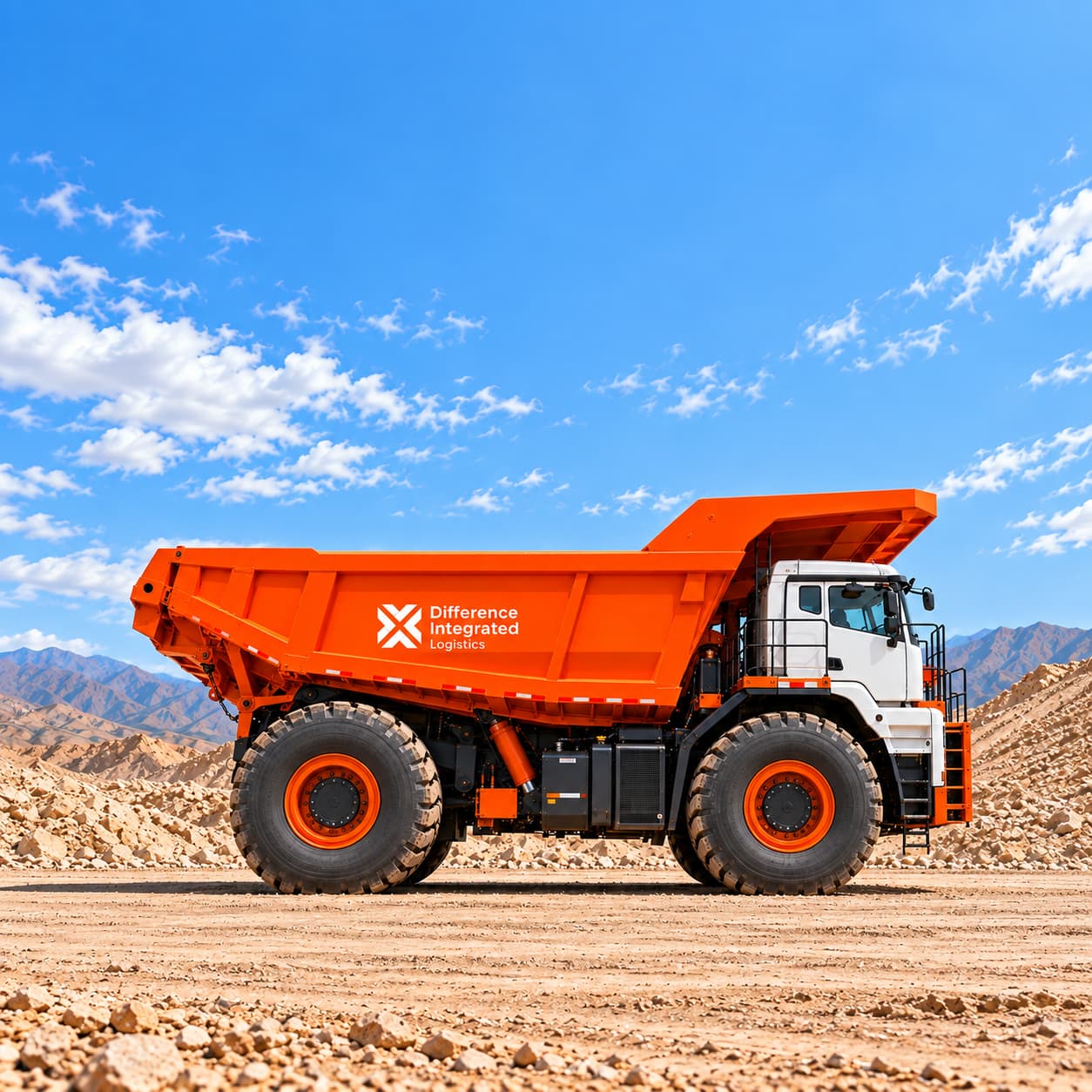
Heavy Dumper Logistics
Made for high-volume, repeated movement.
Difference Integrated coordinates heavy dumper operations around material volume, repeated haul cycles, site conditions, and fleet readiness for demanding construction environments.
Key Points
Dumper resources suited to demanding bulk material requirements.
Operations structured around continuous movement over active project schedules.
Loading and unloading conditions are considered to support efficient vehicle cycles.
Fleet activity planned around the physical and operational requirements of the project.
In repeated haulage operations, the efficiency of the cycle matters just as much as the capacity of the vehicle.
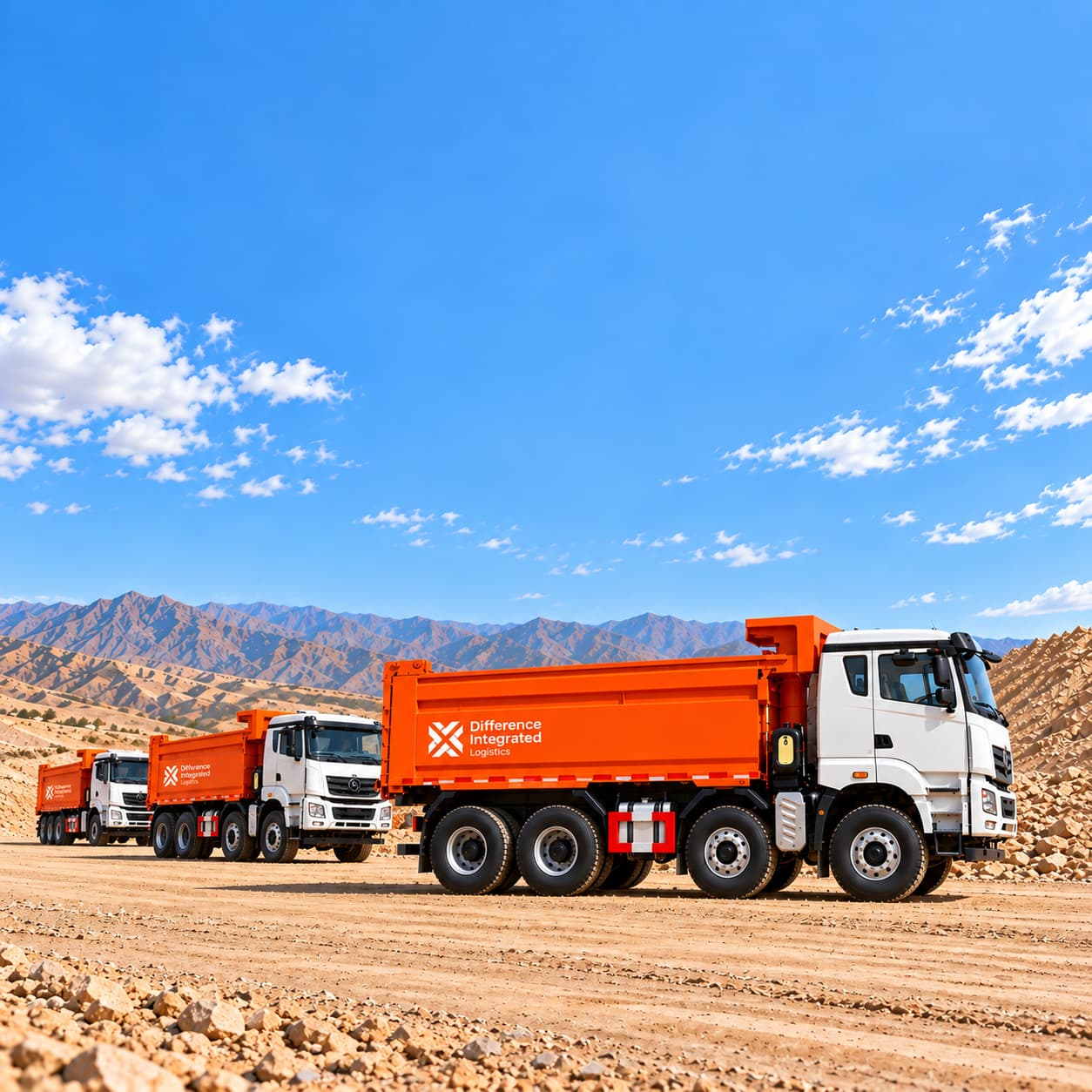
Logistics Coordination
Keeping every part of the movement connected.
DI connects vehicles, routes, schedules, drivers, and delivery requirements within one operating plan to keep transport activity aligned from dispatch through arrival.
Key Points
Transport timing is organized around operational and project priorities.
Routes considered against destination, timing, access, and movement requirements.
Vehicles and transport resources coordinated around the sequence of the operation.
Relevant teams kept aligned as movement progressed from dispatch to delivery.
Coordination is what keeps separate transport activities working as one operation.
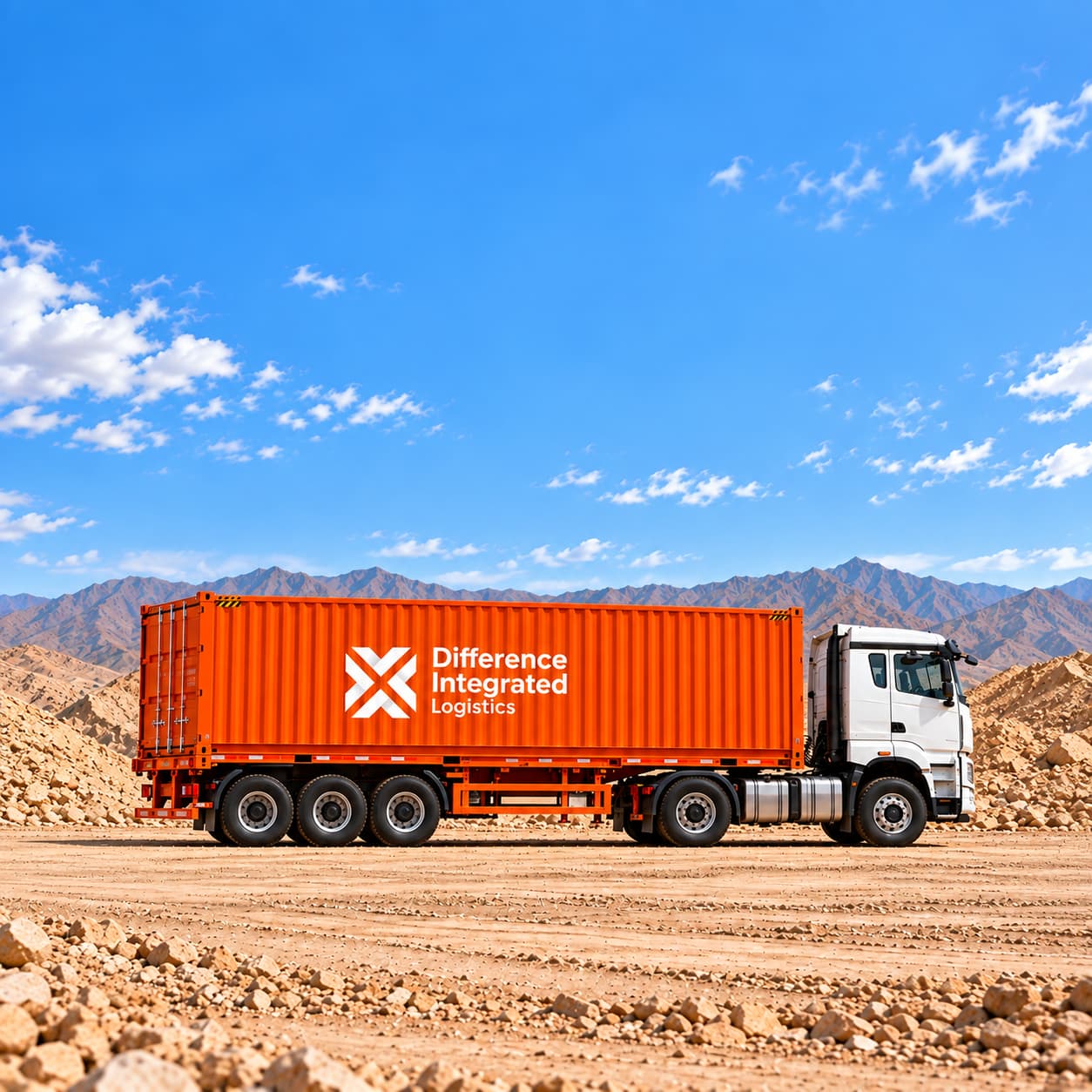
Goods Transportation
A clear plan from collection to handoff.
Difference Integrated coordinates goods movement around pickup timing, route conditions, destination access, and receiving requirements for a controlled journey from collection to handoff.
Key Points
Vehicle scheduling aligned with container availability and pickup requirements.
Movement considered against destination, timing, and operating conditions.
Arrival planned around access and handling conditions at the destination.
Final movement coordinated around the agreed receiving window.
The smoother the handoff between pickup, transport, and receiving, the more controlled the overall movement becomes.
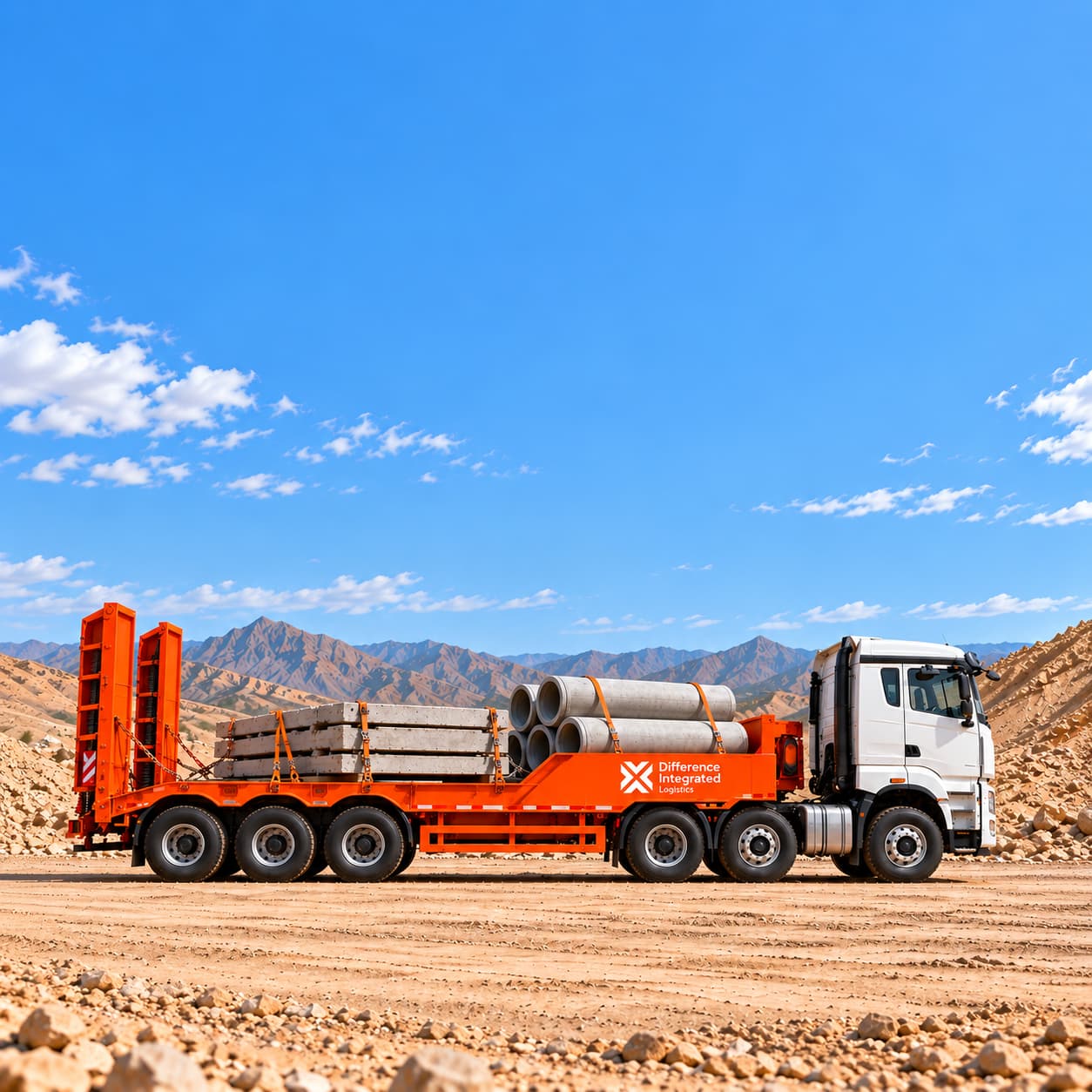
Bulk Construction Material Transport
When the volume increases, the operation changes.
DI manages high-volume material movement around required quantities, vehicle capacity, delivery cycles, and site consumption to keep supply aligned with project demand.
Key Points
Transport structured for materials required in significant quantities.
Loading, transit, unloading, and return activity are treated as a connected process.
Delivery frequency is considered against how quickly materials are being used.
Transport resources assigned according to volume and operating demand.
Bulk transport works best when the movement rate stays aligned with the rate at which the project requires material.
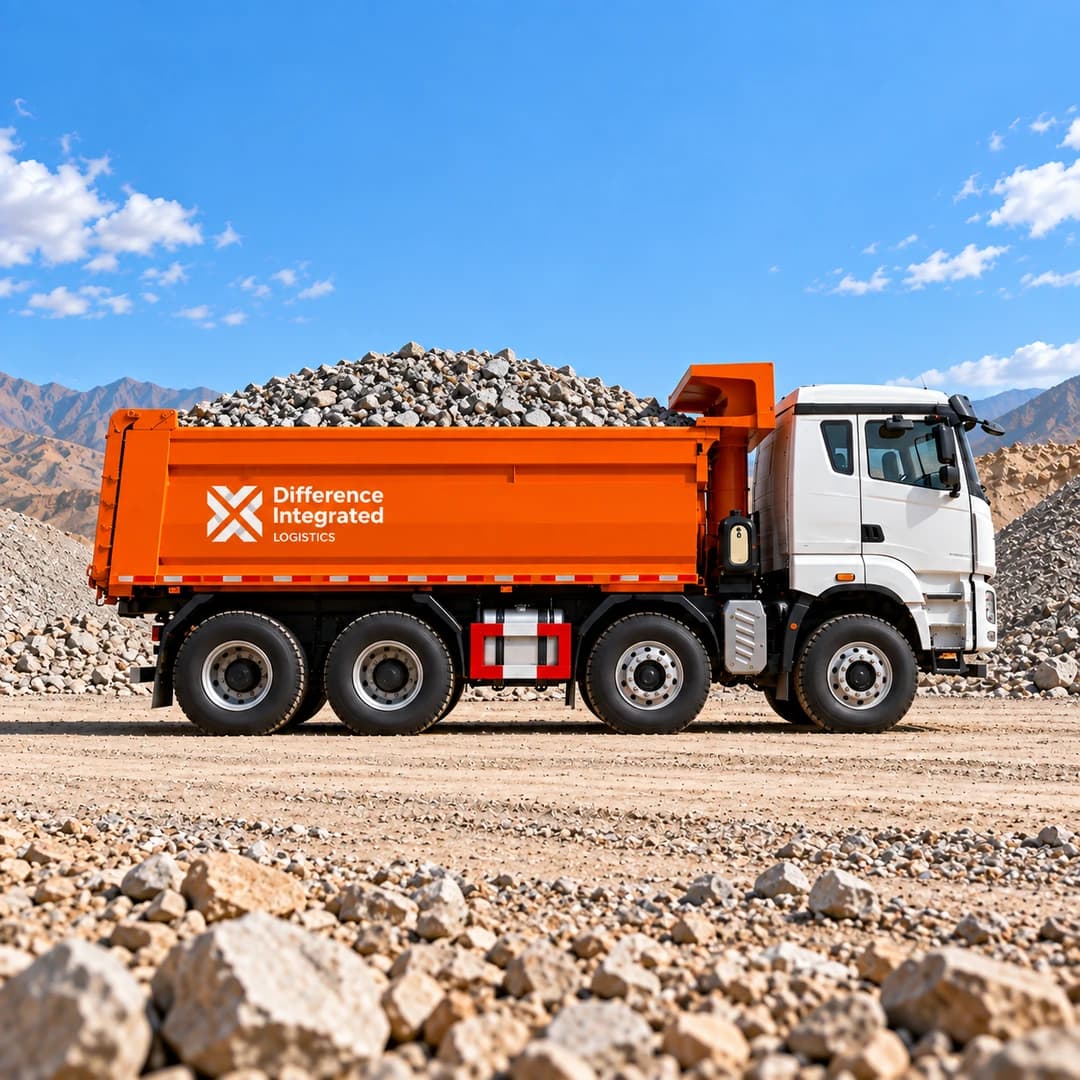
Aggregate & Construction Material Transportation
Material supply should follow the pace of the project.
DI coordinates aggregate and construction material movement around source locations, required quantities, delivery timing, and site conditions to support ongoing project activity.
Key Points
Transport for aggregates, fill, and related construction materials.
Movement organized between loading locations and project sites.
Transport activity aligned with when materials are required.
Access and unloading conditions considered before arrival.
The value of a delivery is not only in the quantity moved, but in whether that material reaches the project when it can actually be used.
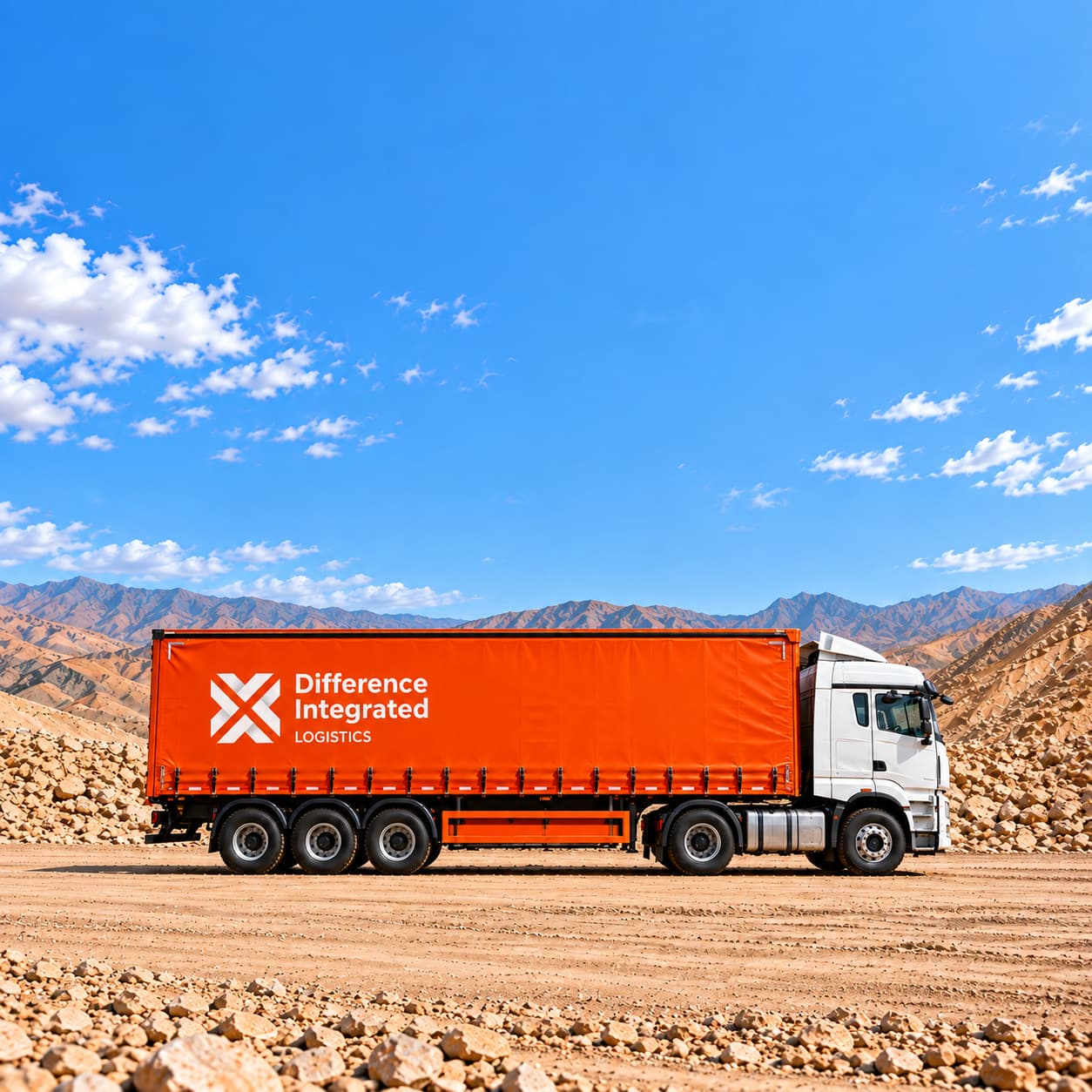
General Freight & Logistics Solutions
When the load changes, the plan changes with it.
Difference Integrated structures general freight movement around cargo type, origin, destination, delivery timing, and handling requirements rather than applying one standard transport approach.
Key Points
Transport requirements assessed according to the nature of the freight.
Collection and receiving conditions considered as part of the movement.
Transport scheduled around the required arrival window.
Movement structured for individual, recurring, or ongoing freight requirements.
There is no single transport formula for general freight. The operating requirement determines the approach.
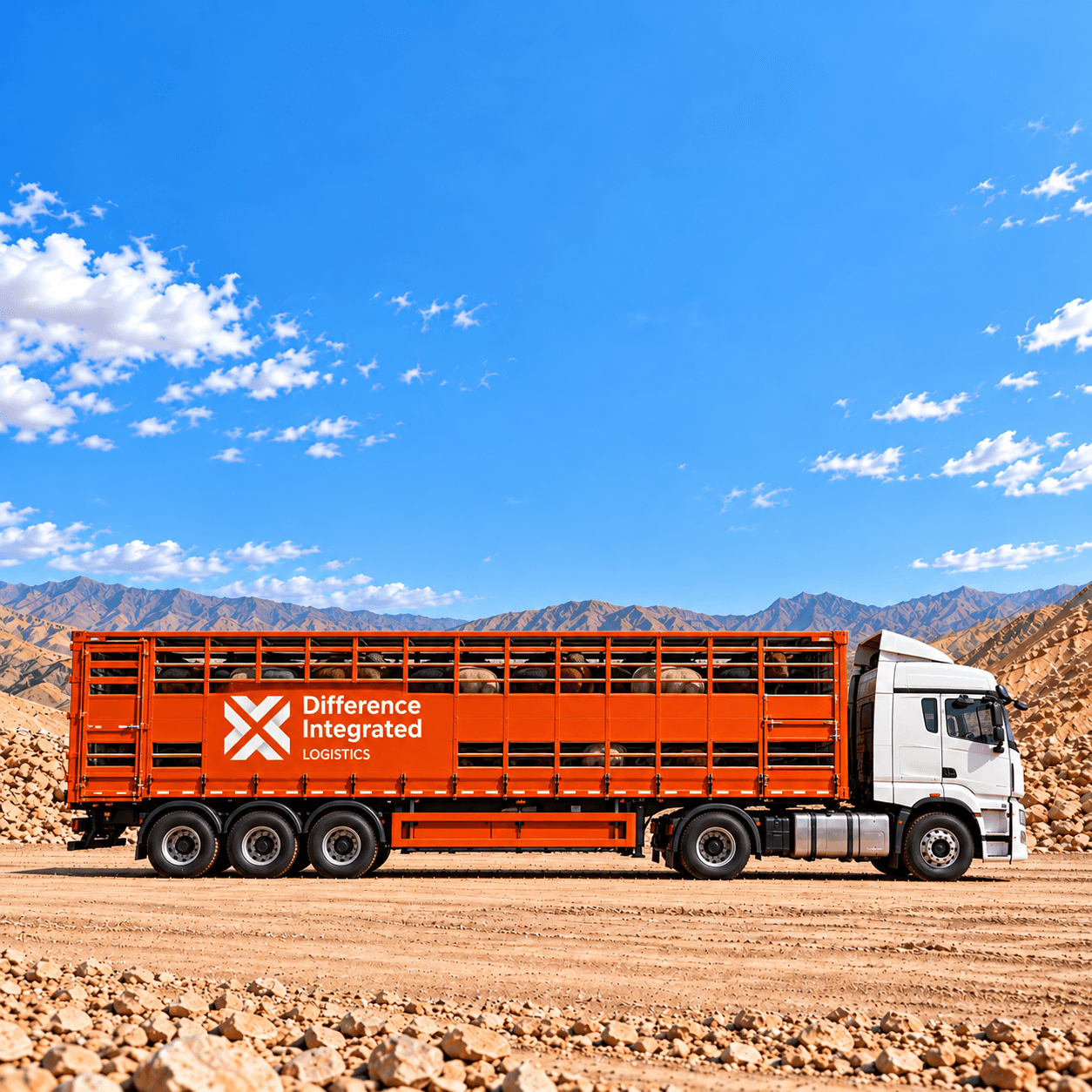
Cattle Transportation / Livestock Service
Specialised livestock movement with careful handling at every stage.
We provide organised transportation for cattle and livestock, with planning focused on animal safety, suitable vehicles, controlled loading and unloading, and efficient movement between farms, markets, facilities, and designated destinations.
Key Points
Movement planning is focused on animal safety and careful handling throughout the journey.
Suitable vehicles and transport conditions are considered according to livestock movement requirements.
Loading and unloading are coordinated carefully to support controlled handling at each stage.
Routes and delivery timing are planned between farms, markets, facilities, and designated destinations.
Each livestock movement is organised around safe handling, suitable transport conditions, and coordinated delivery from origin to destination.
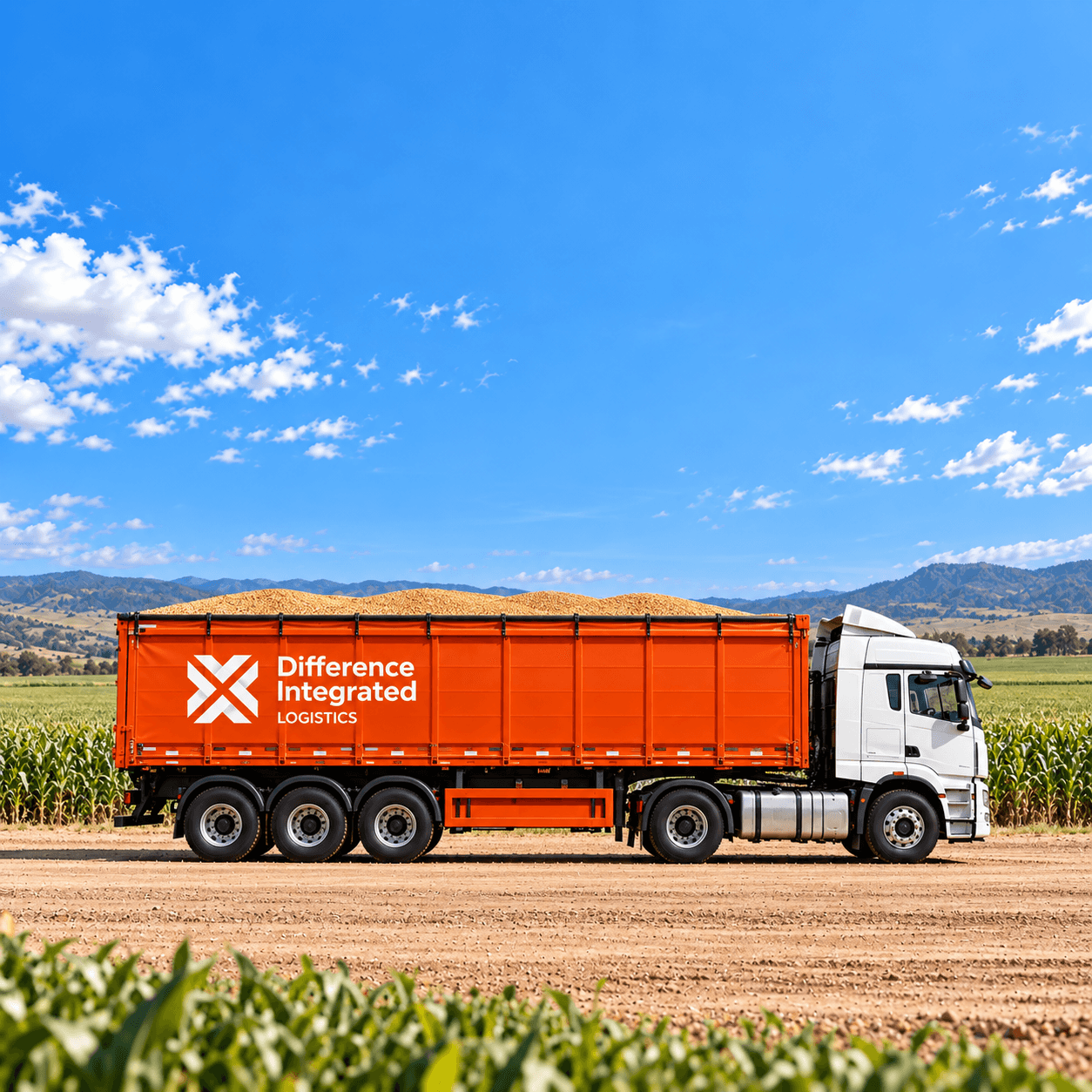
Agriculture Transportation
Reliable transportation built around agricultural operations and supply requirements.
We support the movement of agricultural goods, materials, equipment, and farm-related supplies between farms, storage facilities, distribution points, and project locations. Every movement is coordinated around load requirements, timing, accessibility, and delivery conditions.
Key Points
Agricultural goods and materials are transported according to load requirements and destination needs.
Farm-related supplies are coordinated between farms, storage facilities, distribution points, and project locations.
Agricultural equipment movement is planned around suitable transport requirements and accessibility.
Routes and delivery schedules are coordinated around timing, access conditions, and receiving requirements.
Agricultural transport is planned around the practical needs of the load, route, timing, access, and delivery location.
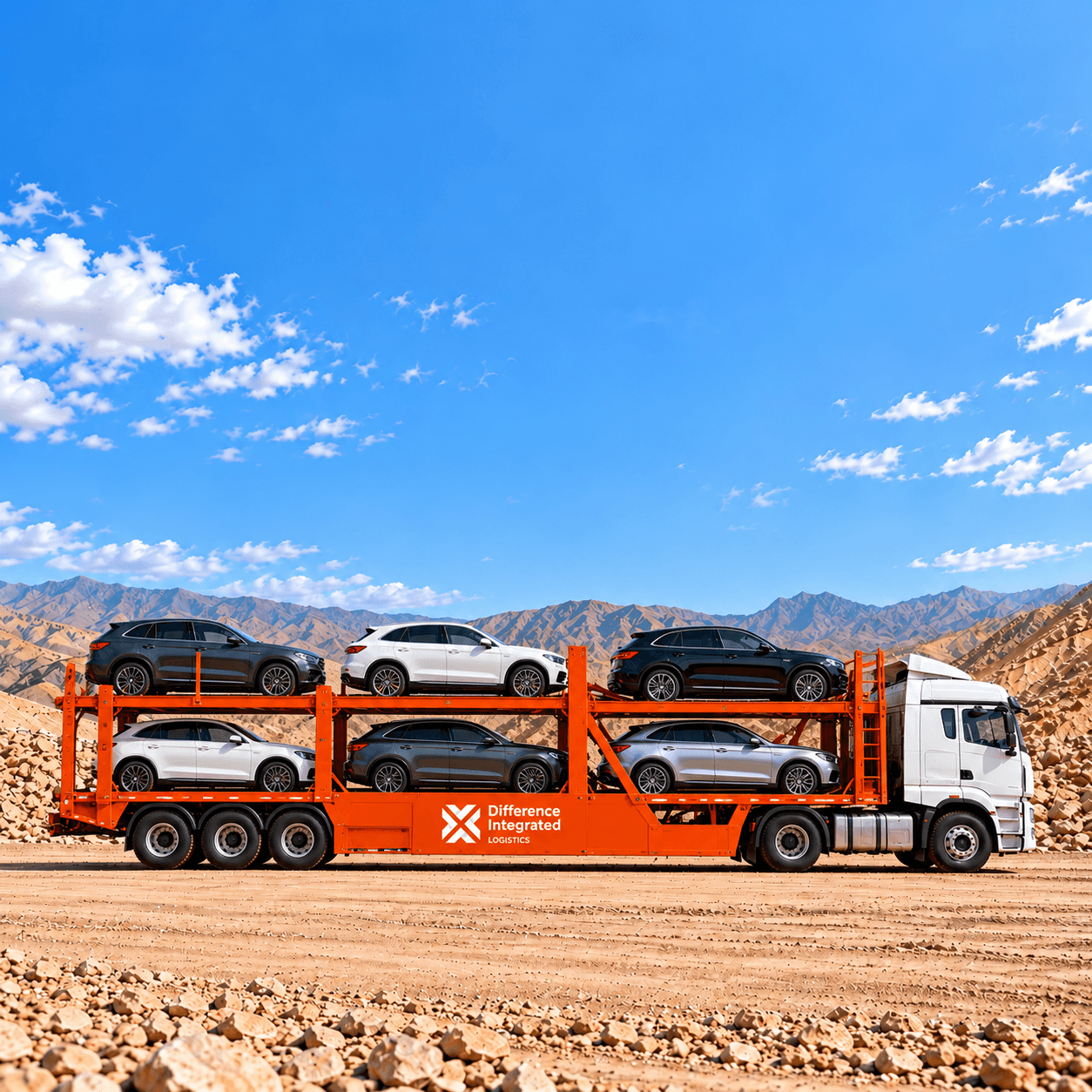
Vehicle Transportation
Secure and coordinated transportation for vehicles across locations.
We provide planned vehicle transportation for individual units, fleet movements, commercial vehicles, and project requirements. Each movement is organised around vehicle type, loading method, transport equipment, route conditions, and delivery schedule.
Key Points
Transportation is planned for individual cars, commercial vehicles, and wider project requirements.
Multiple vehicle movements are coordinated around fleet size, route conditions, and delivery timing.
Loading methods and transport equipment are selected around vehicle type and movement requirements.
Routes and delivery schedules are organised to support controlled handoff at the destination.
Each vehicle movement is coordinated around the vehicle type, loading method, suitable carrier, route conditions, and delivery schedule.